According to the previews of the 2025 report on wine tourism by Professor Roberta Garibaldi, the 240,000 Italian family wineries surpass large companies in terms of wine tourism attractiveness.
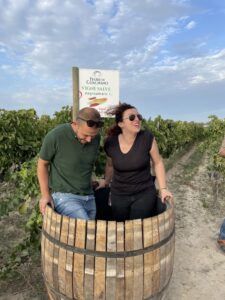
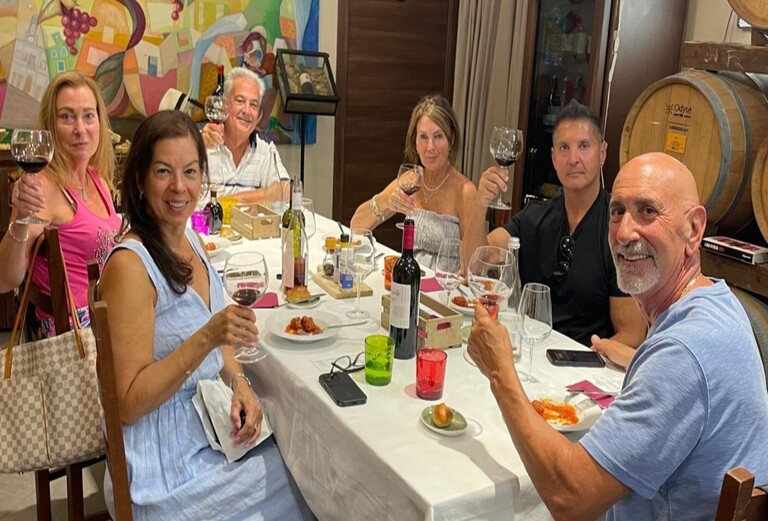
Small family-run wineries, according to the previews of the Garibaldi 2025 report on wine tourism, are perceived as the beating heart and main attraction of Italian food and wine tourism. Suffice it to say that 68% of US tourists, 57% of the UK and 49% of German tourists prefer to visit these areas.
Analyzing the numbers of the report in more depth, we discover that as many as 82% of US GENZ (individuals aged between 13 and 28) declare a very high interest in small or family-run wineries attracted above all by the search for VIBE or VIBES (literally vibrations, words which refer in a broad sense toemotional atmosphere, the general feeling or energy that emanates from a person or place).


The most powerful element of attraction of small wineries is undoubtedly theauthenticity. Tourists are looking for true stories and deep cultural immersion, which only familiar realities can offer.
Indeed, in these cellars visitors are often welcomed and guided directly by the property or family that produces the wine. This contact is an enormous added value that offers a personal and passionate narrative of their work, the territory and the production philosophy.
The tourist is always welcomed as guest and not as a customer: an intimate and non-standardized experience is proposed, far from the glossy marketing of big brands.
Furthermore, small wineries are intrinsically linked to local history. They are custodians of native vines and of cultivation and winemaking techniques passed down from generation to generation.
The small size is a winner compared to the large company also because in the former the obsessive attention to quality and direct control over each production phase, from the vineyard to the bottle. In fact, we can certainly talk about the production of “tailored wine”.
But small companies often play a crucial role in conservation of the viticultural heritage (grapes otherwise lost) and historical methodologies, perceived by tourists as an inestimable value.
If today, more than in previous years, the wine tourist is increasingly attentive to the ecological and social impact of his trip, family-run wineries can present:
- more management sustainable of their companies for the benefit of tourism “slow” adopting organic, biodynamic or, in any case, environmentally friendly practices out of necessity and vocation, not out of marketing trends;
- a regenerative tourism, where the visit not only does not damage, but actively contributes to the well-being of the territory and the local community;
- a connection with the rural ecosystem through trekking and cycle tourism experiences among the vineyards to discover local art and culture as well as local products not available in large-scale retail trade;
- the possibility of participating in practical workshops (e.g. pruning, grape harvest, regional cooking courses) or a guided tastings not only of wines, but also of typical products (cheeses, cured meats, local oil), strengthening the link between wine and local food;
Finally, a visit to a small winery is always a moment of learning so much so that the tourist will be able to understand the complexity of the production, the vintages, the terroir and, in this, the owners are the ideal narrators.